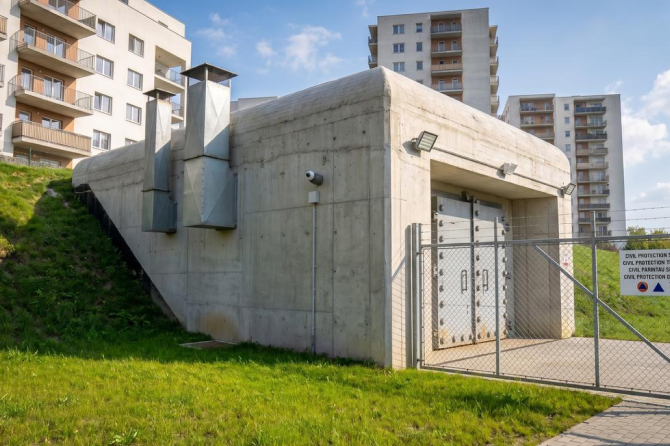
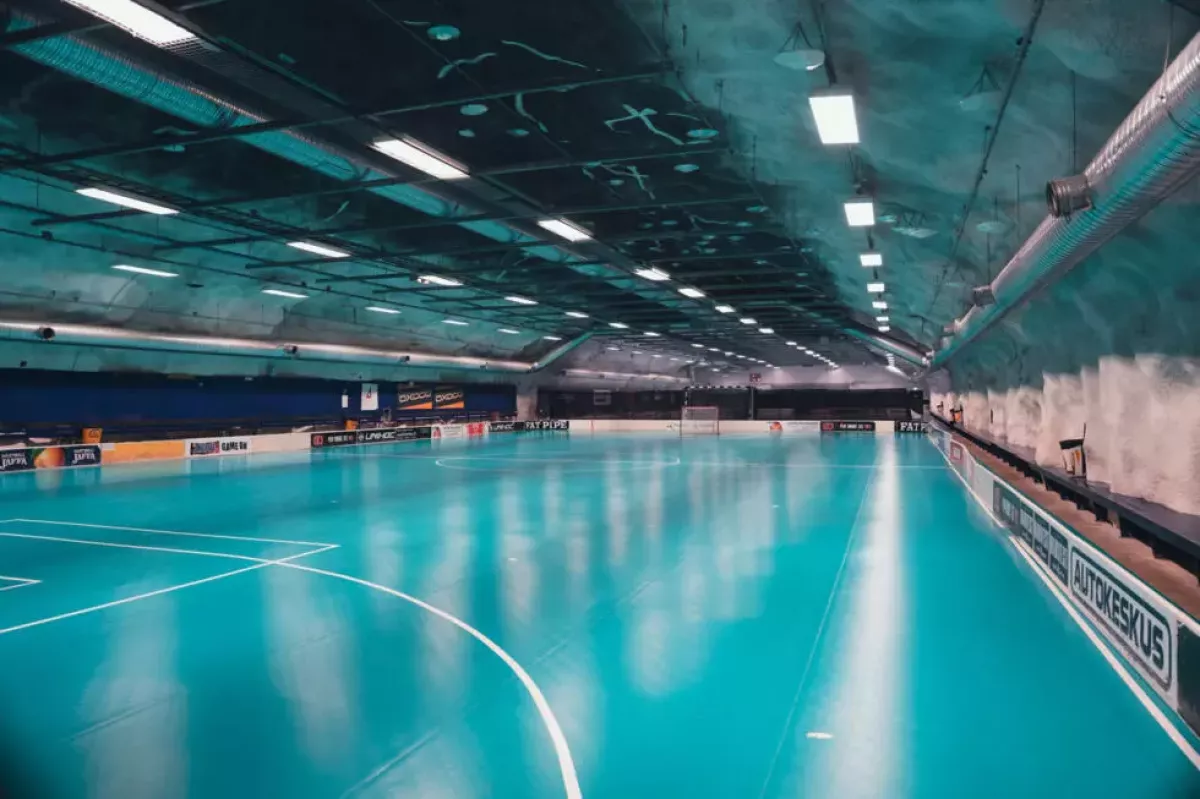
When we talk about civil protection in Poland, too often we picture the same thing: a concrete bunker, heavy doors, an empty room, and a sign reading "In case of war." It's a simple image, but a false and expensive one. A facility that sits locked and unused for thirty years isn't security. It's a cost that quietly decays, one that everyone forgets about until it's too late.
An empty bunker isn't "security"
The countries that take civil resilience seriously abandoned that thinking long ago. Their starting question isn't "how do we build a shelter," but "how do we build a facility that serves the city every day and protects people in a crisis." The difference is fundamental. In the first approach, safety is a dead cost. In the second, it's living infrastructure.
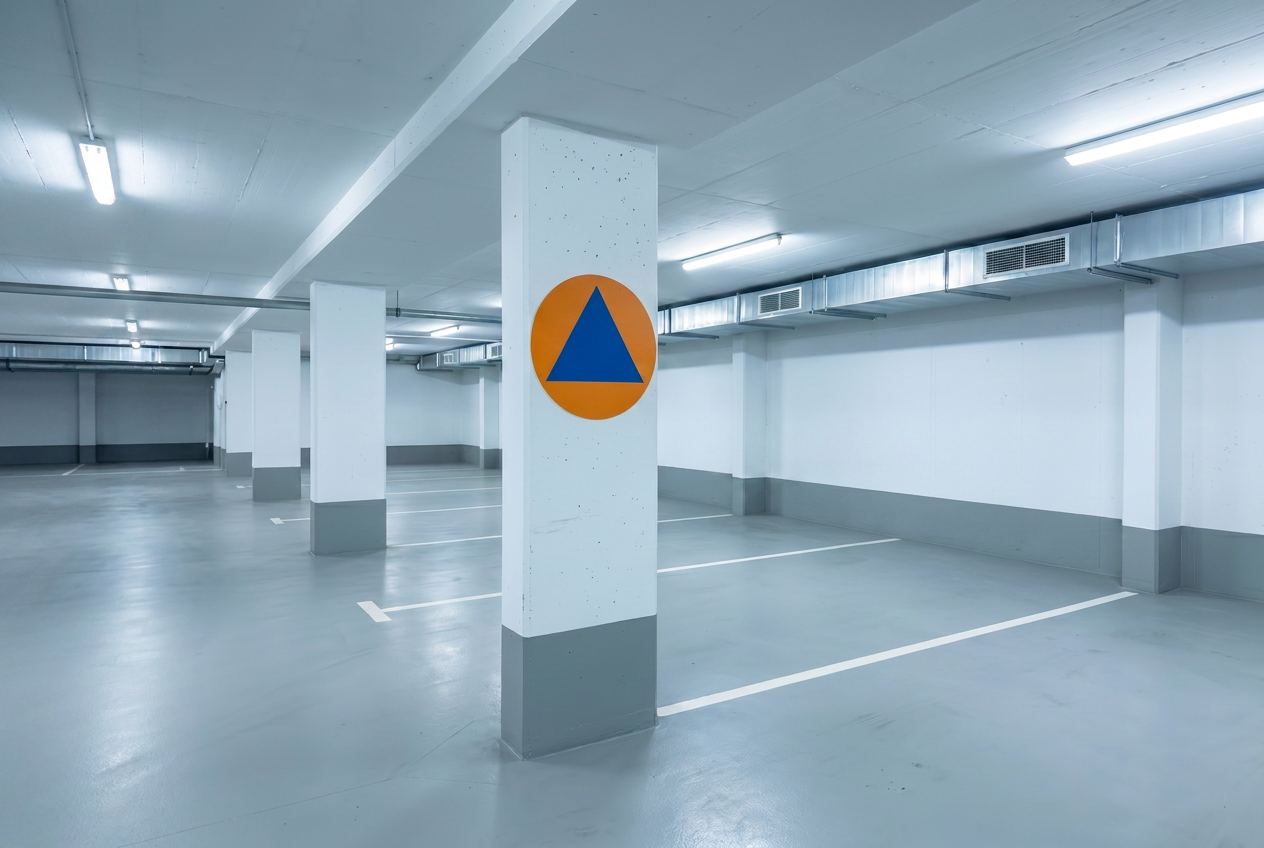
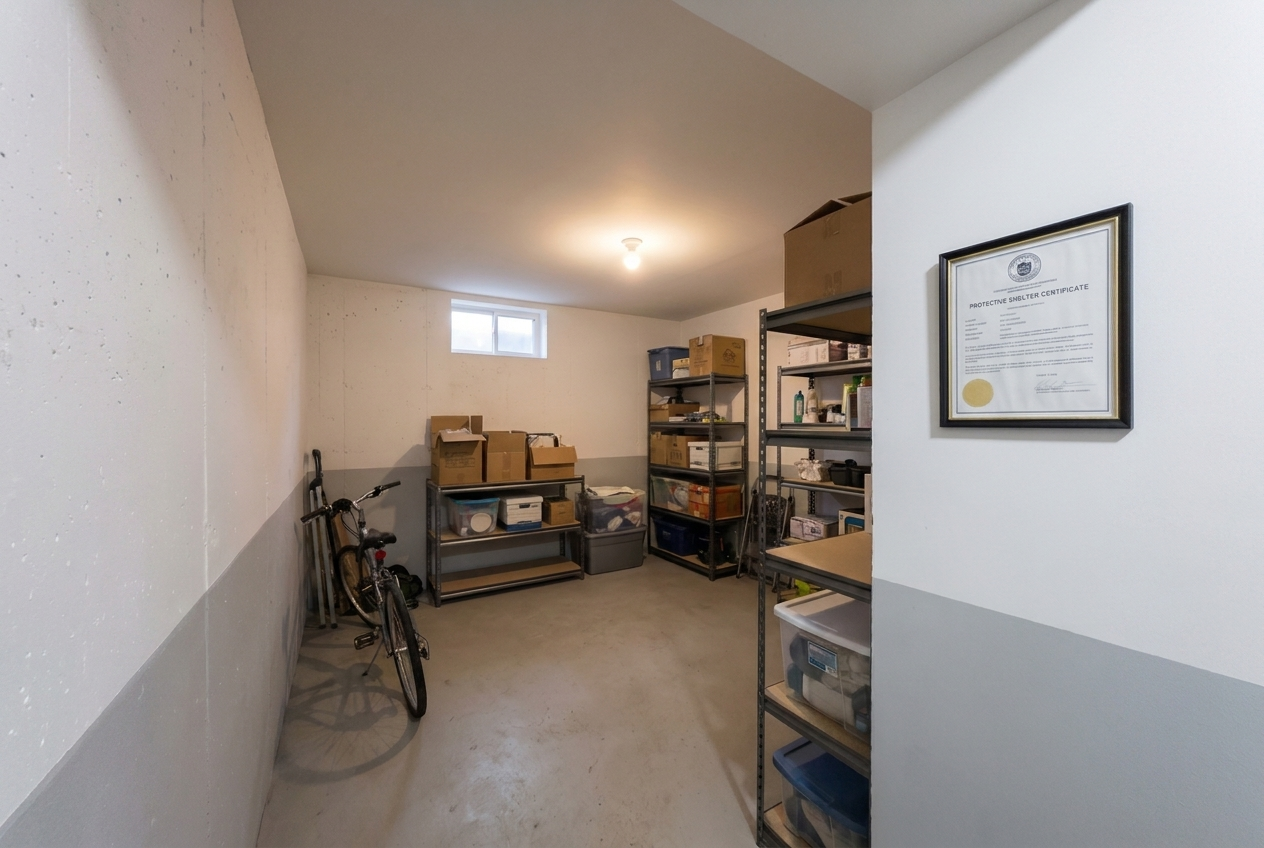
Finland shows this best. In Helsinki, many underground protective facilities are simply part of the ordinary city: sports halls, swimming pools, car parks, recreational spaces. Residents use them without thinking of them as shelters, because in peacetime they aren't. Only in a crisis does the facility switch into protective mode. Switzerland works on the same principle, where regulations explicitly allow a protective room to serve as a cellar, storeroom or workshop — on one condition: that it doesn't compromise the structure, the doors and the ventilation, the things that actually determine safety.
The same logic recurs elsewhere. In Sweden, civil shelters can be used as storage or bicycle rooms, provided they can be quickly cleared and restored to their protective function. In Singapore, several metro stations were designed from the outset as public shelters. Israel shows the most practical side: during attacks, people take cover in underground car parks and spaces that are, on any normal day, an ordinary part of the city.
The facility has to work
The common denominator is simple: the facility has to work. A car park, a sports hall, a municipal warehouse, a base for emergency services, a training centre — these aren't compromises on safety. They're how safety stays viable at all. A facility that operates daily is serviced, ventilated, monitored and known to the local community. An empty bunker is none of those things — which is exactly why it fails when it's needed most.

What really switches a shelter into protective mode
This raises the question that the dual-use debate asks least often, yet matters most: what actually makes a facility "switch into protective mode"? Because it isn't the walls that decide whether a shelter works. Concrete is passive. Everything hinges on the moment of switching: whether filtration and ventilation start up, whether the gas-tight barriers close, whether backup power kicks in, whether an operator can see the facility's status and manage it. That is the control layer — and it's what turns "a room with thick walls" into a working protective system.
In a dual-use model that layer matters even more, because the facility has to move smoothly from its everyday function into protection — and back again. The smarter that system is, the cheaper the facility is to maintain in peacetime and the more reliably it performs in a crisis.
Where Eltel comes in
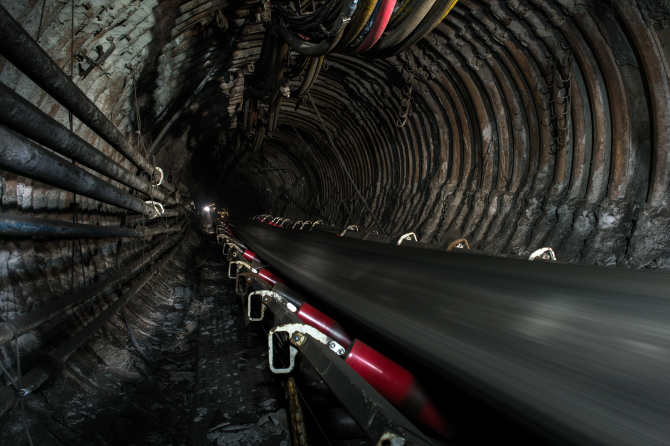
And this is precisely where we see the role of our system. We don't build turnkey shelters ourselves — that's the job of specialist contractors. What we provide is the layer that controls, decides and monitors: control systems, automation, parameter monitoring, and the integration of filtration and ventilation. We do it on the back of a quarter-century of dependable electronics running in one of the harshest environments in Poland — underground, in mines, under ATEX conditions. There, a system has no right to fail, because lives depend on it. That's the same standard we bring to protective facilities.
Because a dual-use shelter isn't an add-on to civil protection. It should be the design standard. A city investing in safety shouldn't be building bunkers — it should be building assets that protect in a crisis and work every single day.